
Cart
0
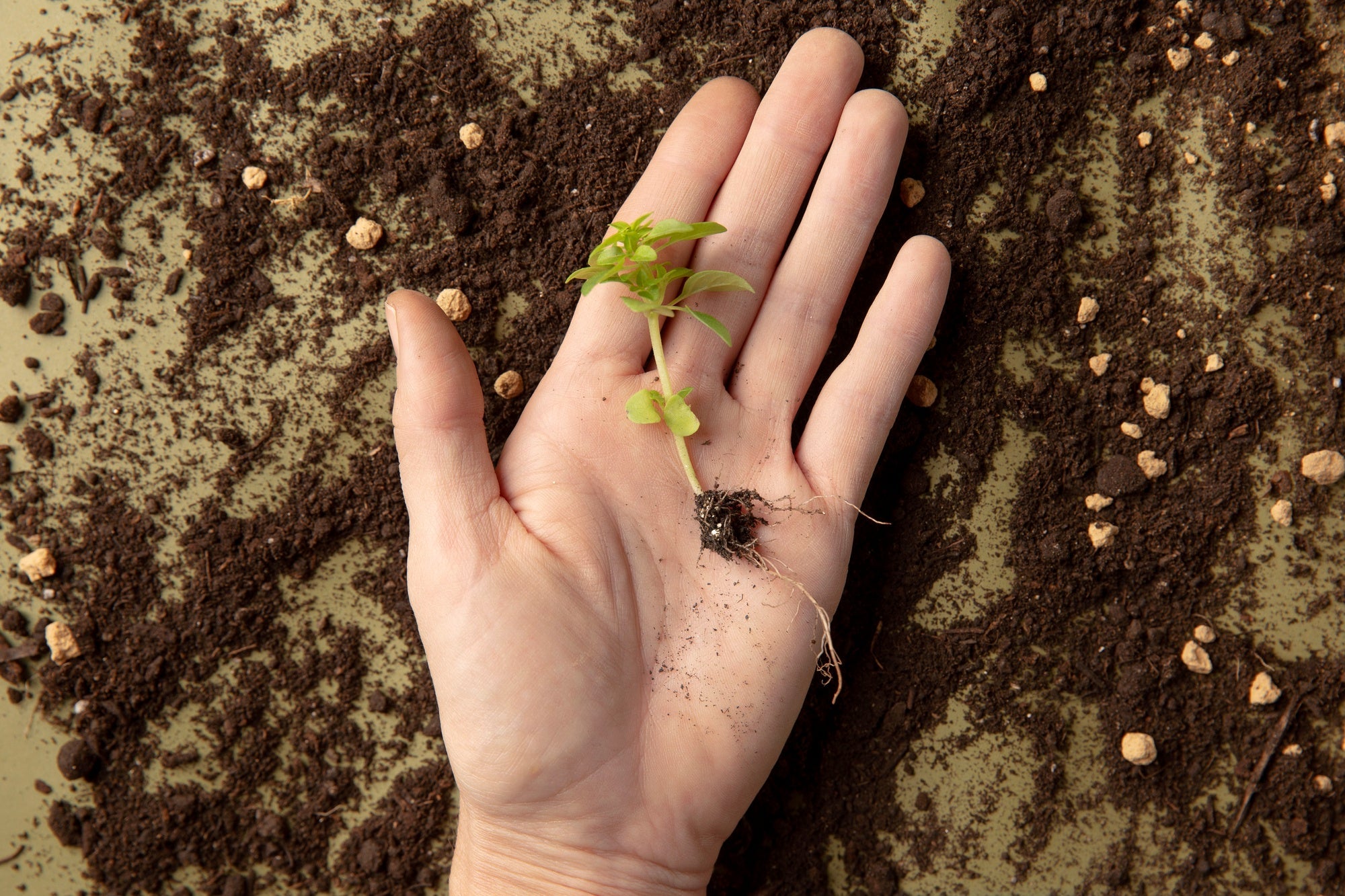
Have you ever dreamed of turning a single seed into a thriving garden filled with dozens—or even hundreds—of plants? It may sound like magic, but with the right techniques, it’s entirely possible! In this blog, we’ll explore how you can grow 100 plants from just one seed, using simple propagation methods that even beginner gardeners can master. Whether you’re looking to save money, maximize your garden space, or simply enjoy the satisfaction of growing plants from scratch, this guide will show you how.
Why Grow Multiple Plants from One Seed?
Growing multiple plants from a single seed is a game-changer for gardeners. Here’s why:
-
Cost-Effective: You’ll save money by multiplying plants without buying additional seeds or seedlings.
-
Space-Saving: Perfect for small gardens or indoor spaces, as you can grow many plants in a compact area.
-
Sustainable: Reduce waste and make the most of your resources by propagating plants instead of discarding them.
-
Rewarding: There’s nothing more satisfying than watching a single seed transform into a lush garden.
Step-by-Step Guide to Growing 100 Plants from 1 Seed
1. Choose the Right Plant
Not all plants are created equal when it comes to propagation. Some plants are easier to multiply than others. Here are a few great options to start with:
-
Herbs: Basil, mint, rosemary, and thyme.
-
Vegetables: Tomatoes, peppers, and eggplants.
-
Ornamentals: Coleus, pothos, and succulents.
2. Start with a Healthy Seed
-
Select a high-quality seed from a trusted source.
-
Plant the seed in a small pot or seed tray filled with nutrient-rich soil.
-
Keep the soil moist and place the container in a warm, sunny spot to encourage germination.
3. Let the Seedling Grow
-
Allow the seedling to grow until it develops several sets of true leaves and a sturdy stem.
-
This ensures the plant is strong enough to handle the propagation process.
4. Take Cuttings from the Seedling
-
Once the plant is mature, take cuttings from the stem. Each cutting should have at least 2-3 leaves and a node (the point where leaves attach to the stem).
-
Use clean, sharp scissors or pruning shears to make clean cuts and avoid damaging the plant.
5. Root the Cuttings
-
Dip the cut end of each stem in rooting hormone (optional but recommended for faster root growth).
-
Place the cuttings in water or a well-draining potting mix.
-
Keep the cuttings in a warm, humid environment with indirect light until roots develop.
6. Transplant the Rooted Cuttings
-
Once the cuttings have developed strong roots (usually 2-3 weeks), transplant them into individual pots or your garden.
-
Space the plants appropriately to allow for growth and airflow.
7. Repeat the Process
-
As your new plants grow, you can take additional cuttings from them to create even more plants.
-
This cycle can be repeated multiple times, allowing you to grow dozens—or even hundreds—of plants from a single seed.
Tips for Success
-
Timing: Take cuttings during the plant’s active growing season for the best results.
-
Care: Provide consistent care, including proper watering, light, and nutrients, to ensure healthy growth.
-
Patience: Propagation takes time, so be patient and monitor your plants regularly.
Benefits of This Method
-
Cost Savings: Multiply your plants without spending extra money on seeds or seedlings.
-
Sustainability: Reduce waste and make the most of your gardening resources.
-
Educational: Learn about plant propagation and improve your gardening skills.
-
Community Building: Share your extra plants with friends, family, or neighbors.
Growing 100 plants from a single seed is an achievable and rewarding gardening project. By following the steps outlined above, you can expand your garden, share plants with others, or even start a small plant business. Whether you’re a beginner or an experienced gardener, this method is a fun and sustainable way to make the most of your seeds.